The Lobito Corridor is no longer just a blueprint or a logistics slogan—it is becoming a reality that Zambians will soon feel in their pockets and their daily lives.
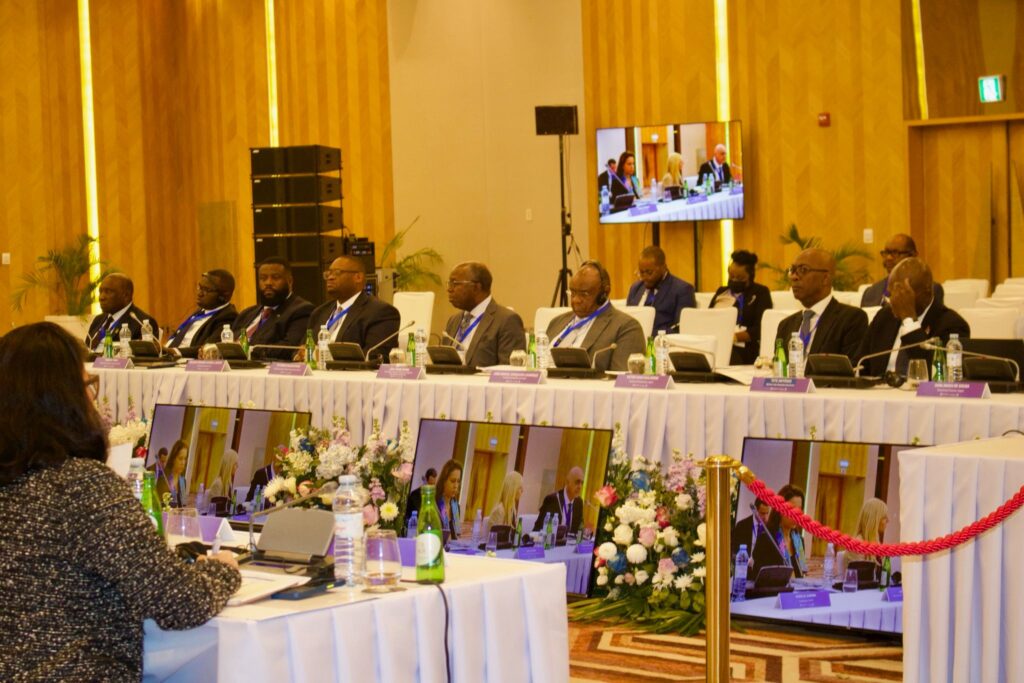
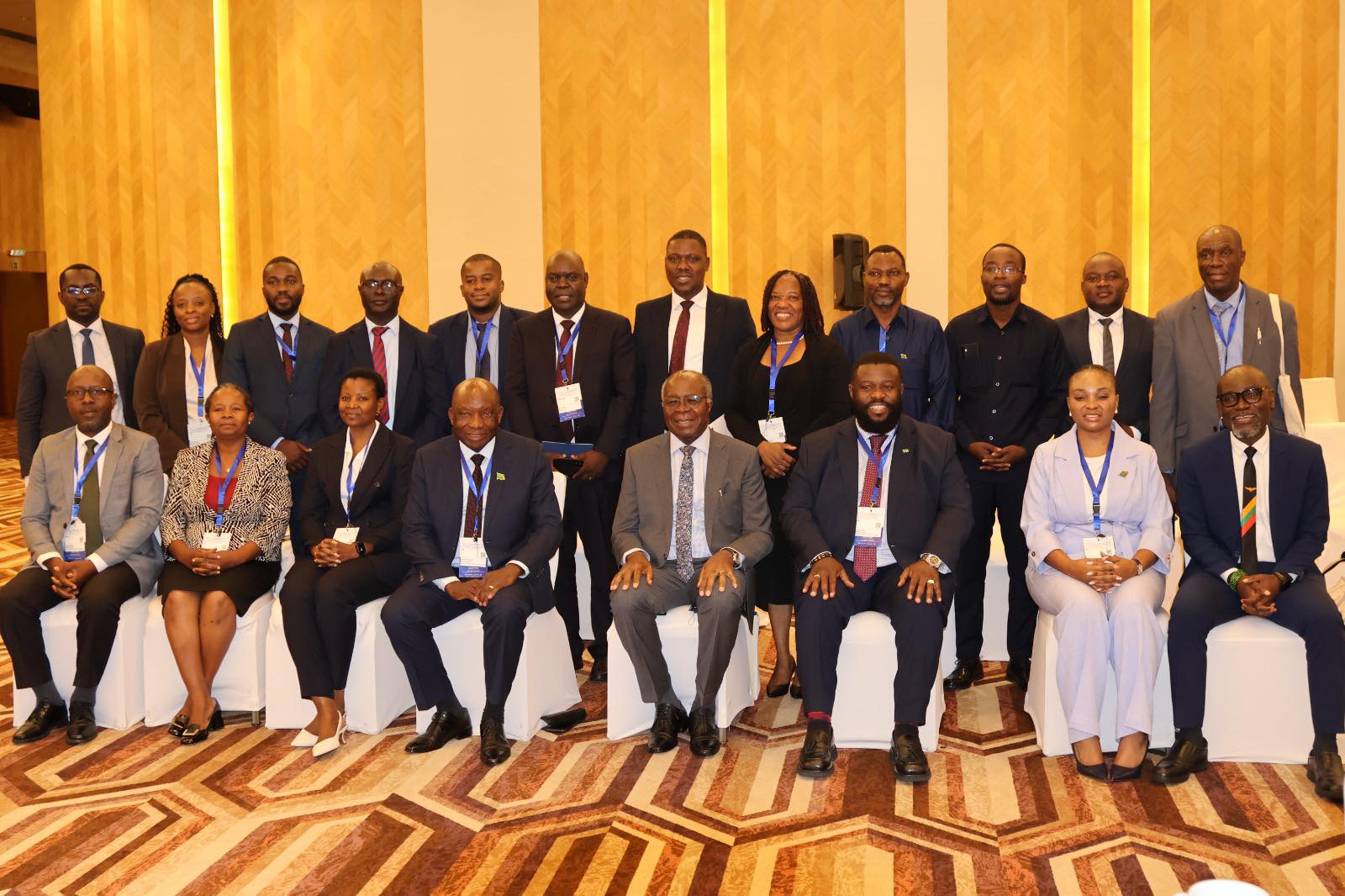
Following a high-level ministerial meeting in Luanda, Angola, hosted by the World Bank, a clear roadmap has been established. Leaders from Angola, the Democratic Republic of the Congo (DRC), and Zambia have moved past the “talk” phase, agreeing on concrete action steps to slash trade costs, boost regional commerce, and, most importantly, create sustainable jobs.
More Than Just a Railway
As President João Manuel Gonçalves Lourenço of Angola emphasized during the opening, the Lobito Corridor must be treated as a Development Corridor, not just a track for trains. For the 30 million people living along this route, this project is about connecting Zambian farms and mines to global markets via the Atlantic Ocean.
The “No-Talk” Action Plan
To ensure this vision translates into results, the three governments have committed to four “Coordinated Action Steps”:
- A Unified Master Plan: One shared framework to ensure all three countries are hitting the same milestones at the same time.
- Harmonized Standards: Defining exactly what an “Economic Corridor” looks like so that a truck or train doesn’t face different rules the moment it crosses a border.
- A Joint Investment Platform: A “one-stop-shop” to mobilize capital for more than just tracks. This includes funding for industrial yards, energy projects, and SME hubs.
- Border Reforms: Cutting the red tape that keeps goods sitting at borders for days. Faster borders mean lower prices for consumers.
What This Means for Zambia
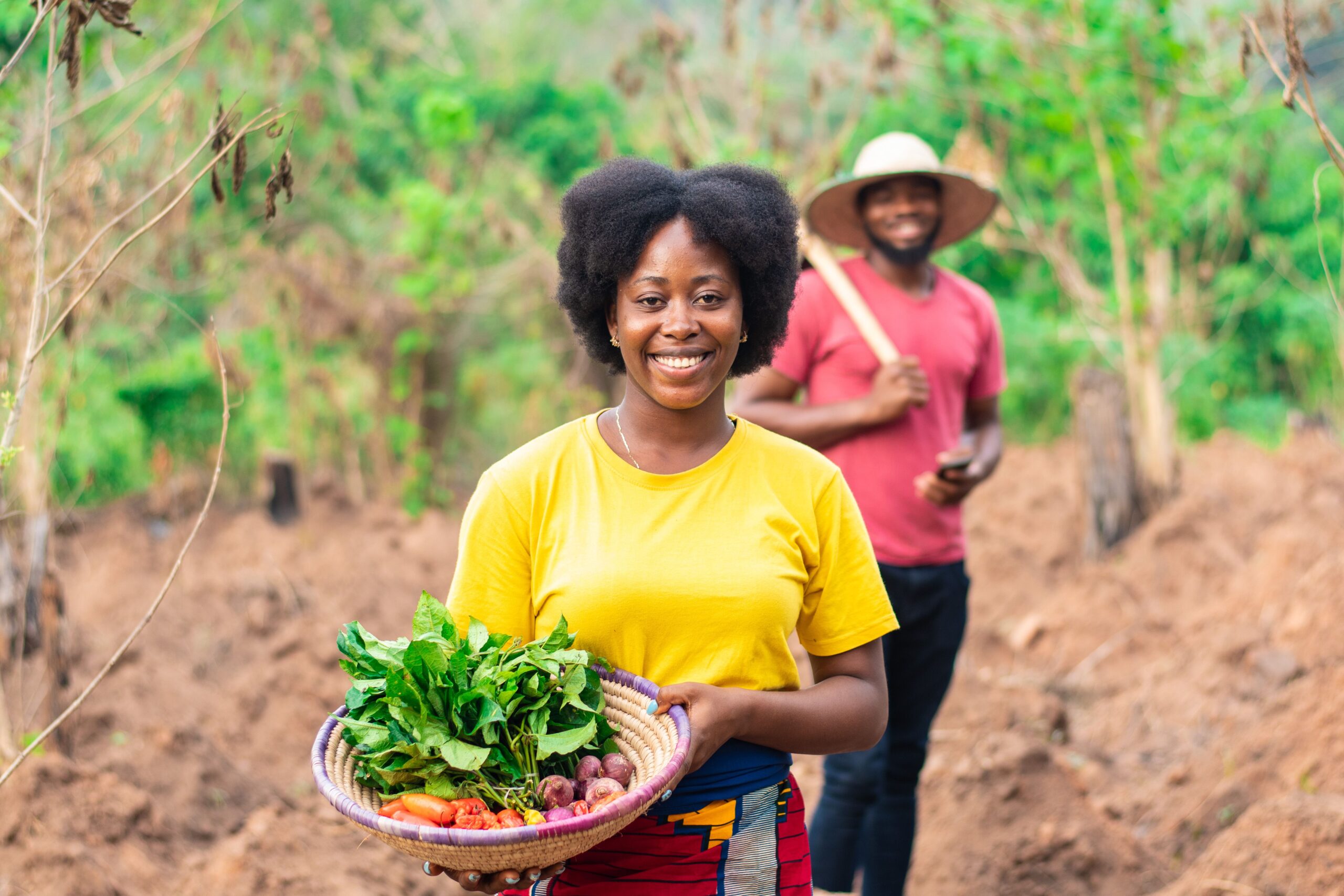
For Zambia, the Lobito Corridor is a strategic game-changer. By providing a direct, efficient route to the Atlantic, we are strengthening our competitiveness in Mining, Agriculture, and Manufacturing.
Immediate opportunities for Zambian firms include:
- Construction & Engineering: Building the physical infrastructure.
- Logistics: Freight handling and fleet management.
- Energy: Providing the power necessary to keep the corridor running.
In the long term, this isn’t just about a one-off construction boom. It’s about creating an “economic ecosystem” where mineral processing plants and agri-logistics hubs provide permanent employment for our youth.
A Turning Point for Our Economy
This engagement in Luanda marks a shift from stabilizing our national economy to unlocking its potential. With our return to economic stability, the focus is now squarely on growth and investment.