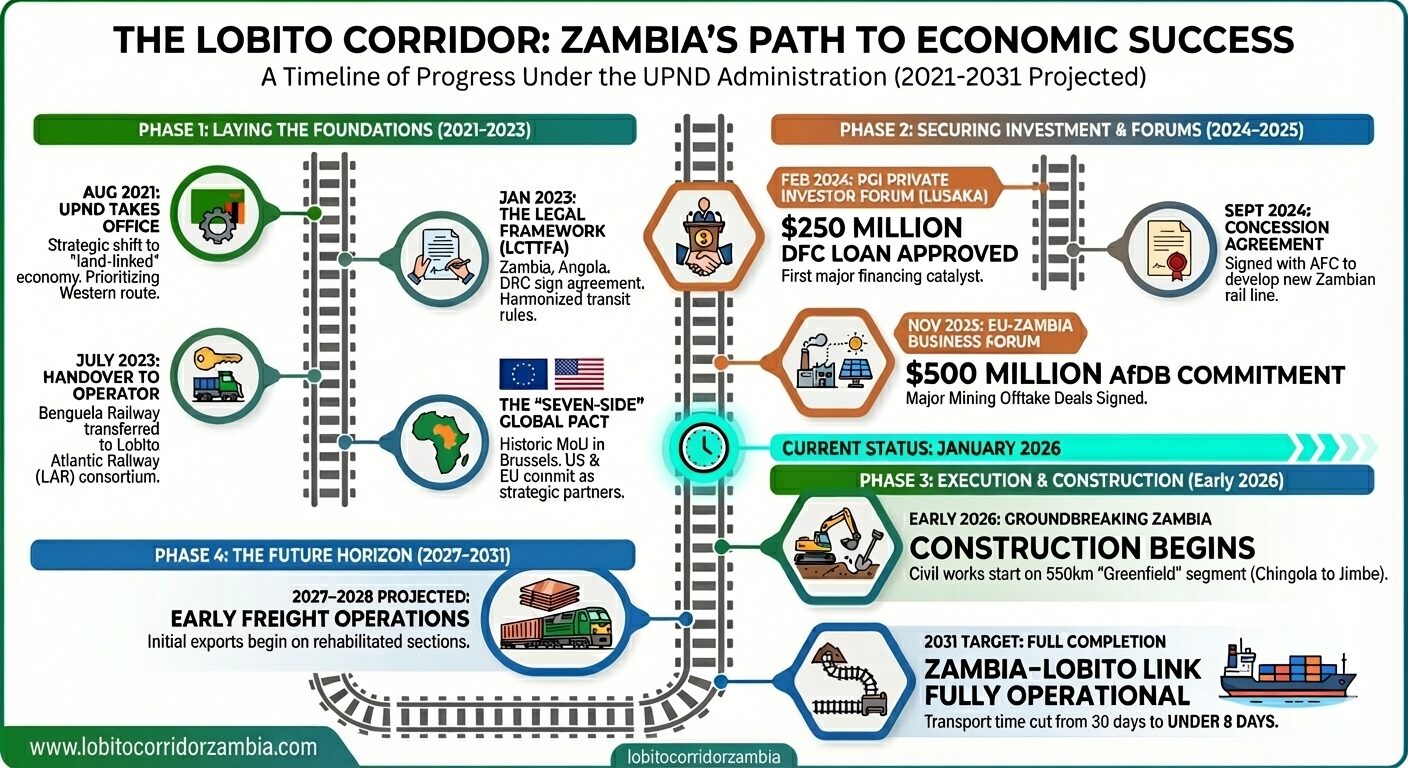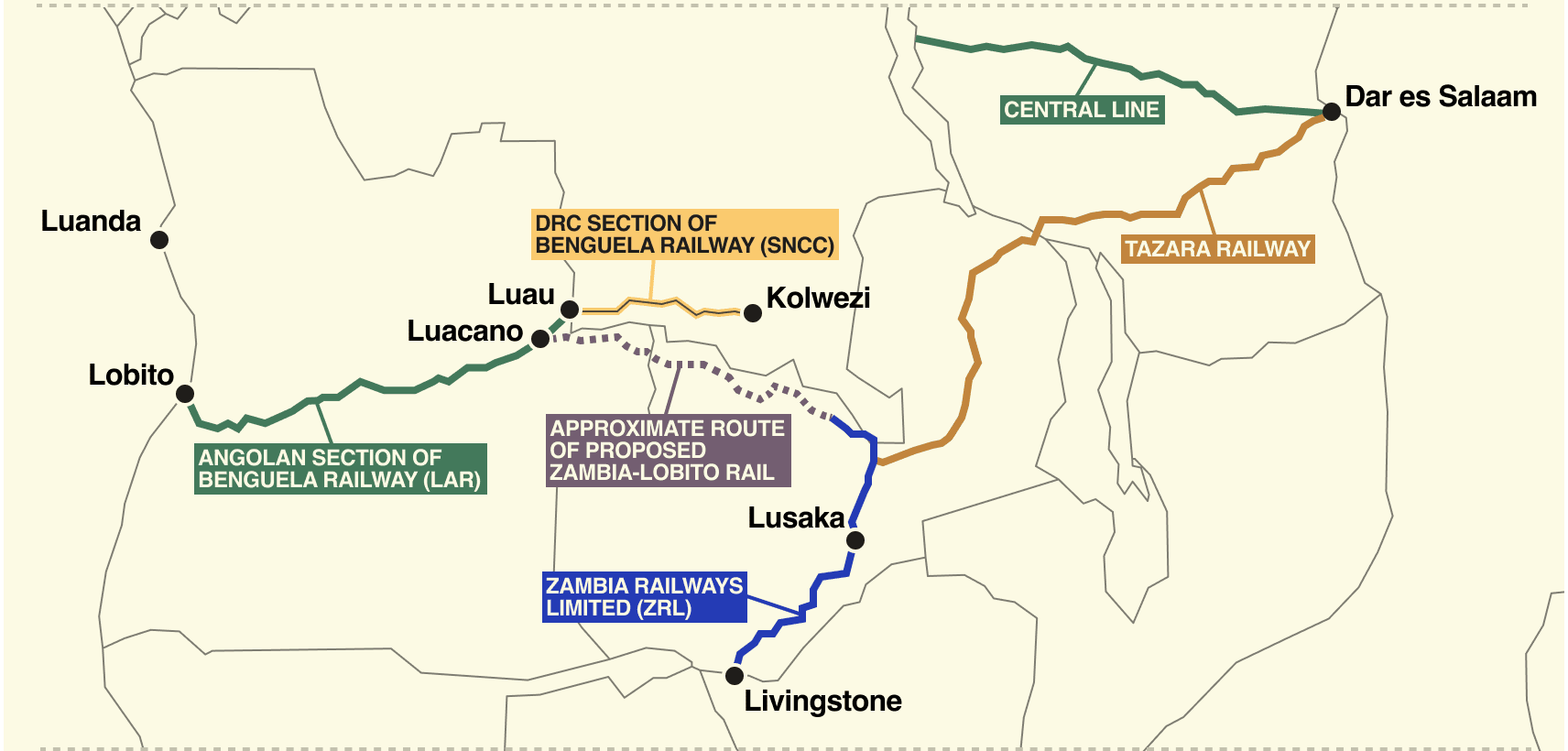
The Lobito Corridor is set to be a transformative economic engine for Zambia, primarily by providing a faster, more cost-effective gateway to international markets via the Atlantic Ocean. By connecting the mineral-rich Copperbelt and North-Western provinces directly to the Port of Lobito in Angola, the project is expected to slash freight transit times from over a month to just under a week and reduce copper export costs by as much as 30–40%. Beyond mining, the corridor will stimulate agricultural growth by opening new export routes for farmers and attracting investment into “agri-food” value chains like soybeans and horticulture. This massive infrastructure undertaking—backed by the US, EU, and African Development Bank—will not only create thousands of local jobs in construction and logistics but also modernize regional trade through improved digital connectivity, clean energy access, and more efficient border crossings, ultimately positioning Zambia as a central, competitive hub for Southern African trade.
The Lobito Corridor will bring investments around three key economic sectors Agriculture, Clean Energy, and Critical Raw Materials (CRM) where the Corridor’s improved logistics will offer the greatest potential for high-value private sector investment and sustainable development and economic growth for Zambia.

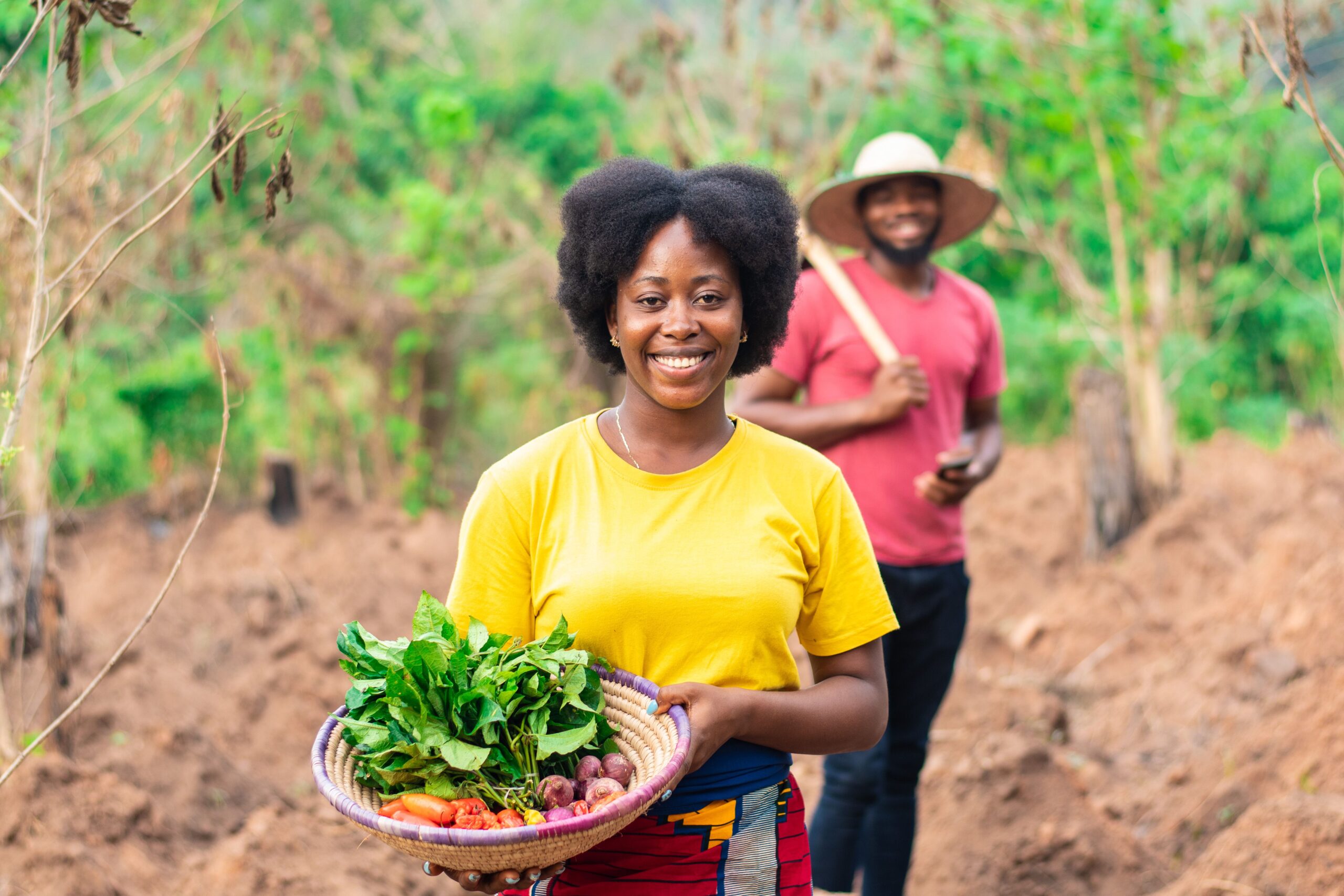
The Lobito Corridor will provide Zambian farmers with a direct and efficient path to regional and international markets. This will reduce transportation costs and time, allowing for the export of fresh produce. The improved market access will incentivize farmers to increase production and participate in more profitable value chains.

The Lobito Corridor will boost Zambia’s energy sector by facilitating the development of new clean energy projects and improving grid connectivity. It supports a model of regional energy trading, which lessens the country’s dependence on traditional, often government-backed, energy deals and attracts private investment.

The Lobito Corridor provides a vital transport link for Zambia’s rich deposits of critical raw materials like copper, cobalt, and manganese. Instead of simply exporting raw materials, the corridor will support value addition, enabling Zambia to process and manufacture these materials into higher-value products before export.